
Jan. 12, 2026
A brush cutter is a heavy-duty cutting tool designed to clear dense grass, tough weeds, brambles, and light brush—and, with the right blade, even small saplings—in areas a lawn mower or standard trimmer can't reach. Wikipedia
Whether you're reclaiming an overgrown yard, maintaining trails, or keeping farmland edges tidy, a brush cutter is often the fastest way to turn "wild" back into "manageable."
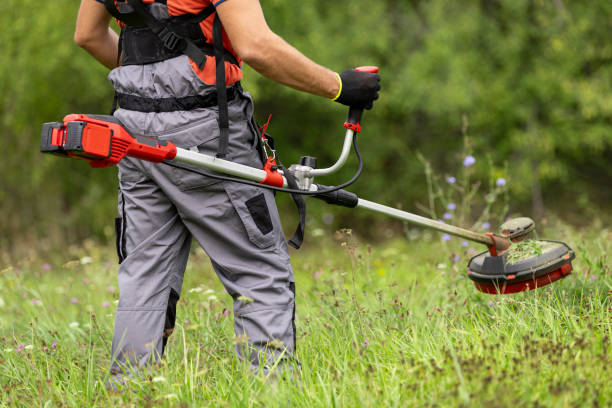
A brush cutter (also called a brushcutter, clearing saw, or brush saw) is a powered garden or agricultural tool built around a motor/engine and a rotating cutting head. Different heads—nylon line, grass blades, or steel blades—let you match the tool to the vegetation you're cutting.
Power unit (gas engine or electric motor)
Shaft (straight/curved; sometimes split-shaft on combo units)
Gearbox that transfers power to the head
Cutting attachment (line head or blade)
Guard/deflector to reduce thrown debris risk
Harness/strap (common because brush cutters are heavier than trimmers)
Brush cutters are built for jobs that quickly overwhelm a basic grass trimmer:
Clearing overgrown grass and weeds
Ideal for tall, fibrous weeds and thick patches where a mower bogs down.
Brambles and dense ground cover
With a suitable metal blade, brush cutters can power through tougher stems than nylon line handles efficiently.
Light brush and cleanup around property edges
Perfect for fence lines, ditches, field borders, and hard-to-reach corners.
Trail, roadside, and land maintenance
Many users rely on brush cutters to keep paths clear and improve access.
Occasional saplings (model-dependent)
Some brush cutters can cut saplings up to about 2 inches (5 cm) in diameter with the proper blade and technique—always verify your manual’s limits.
| Item | Brush cutter | String trimmer |
|---|---|---|
| Best for | Dense weeds, fibrous grass, thick vegetation | Lawn edges, light weeds, finishing work |
| Cutting attachment | More likely to use blades (often can also use line heads) | Uses a rotating nylon line instead of a blade |
| Power/torque needs | Typically built for heavier loads and tougher growth | Generally for lighter-duty cutting near obstacles |
| Terrain & access | Overgrowth, rough areas, places a mower can’t reach | Around trees, fences, beds; edges and tight spots |
| Comfort & handling | Often heavier; harness commonly used to reduce fatigue | Usually lighter for precision work |
| Typical user | Landowners, heavy yard cleanup, maintenance crews | Homeowners doing routine lawn care |
Quick pick
If you mostly do edging and light grass → choose a string trimmer.
If you're clearing thick weeds/overgrowth and may need blades → choose a brush cutter.
By power source
Gas (2-stroke or 4-stroke): strong torque for heavy growth; requires fuel/oil routine.
Corded electric: lower maintenance and often lighter, but limited by a power cord.
Battery (cordless): convenient, quieter for residential areas, but run time depends on battery capacity.
By machine style (for bigger jobs)
Brush cutters exist as handheld, walk-behind, and even tow-behind machines. For large acreage, a walk-behind unit can clear faster; handheld units shine for detail work and tight access.
Choosing the right attachment improves speed and reduces kickback risk.
Nylon line head: grass and light weeds
Grass blade / toothed blade: thicker weeds and heavier grass (use the blade type recommended for your vegetation)
Metal blade: thicker brush where line struggles
Circular saw blade: for heavier brush and small saplings (only if your machine is rated for it)
Important: Use only blades/heads recommended for your model to avoid damage and safety hazards.
Use this quick checklist before buying or sourcing a model:
What are you cutting?
Lawn edges/light weeds → trimmer or line head
Dense weeds/brambles → brush cutter with appropriate blade
Brush/saplings → higher power, blade-capable gearbox (confirm specs)
Power source fits your work style
Gas for long heavy sessions; battery for convenience/low noise; corded if you’re always near power.
Cutting width vs. maneuverability
Wider cutting paths clear faster but can feel bulky in tight spaces.
Handle design
Bike handles: control for larger areas/slopes
Loop handles: maneuverability around obstacles
Comfort & fatigue control
Look for a solid harness, manageable weight, and low vibration for longer sessions.
Durability + parts availability
A brush cutter takes real impact—ensure replacement parts and blades are easy to source.
Brush cutters throw debris and can kick back—basic safety habits make a big difference.
Before you start
Walk the area and remove hazards like wire, stones, and rope.
Wear PPE: eye protection, hearing protection, gloves, long pants, and sturdy boots.
Check controls and fasteners (throttle lock, stop switch, blade nut).
While cutting
Keep bystanders and pets away; use the guard/deflector.
Start slow and learn what your machine can handle.
Never raise the cutting attachment above waist height.
Maintenance tips to keep performance high
Clean debris off the head/guard after use.
For 2-stroke engines, use the correct fuel mix and don’t store mixed fuel too long (old fuel hurts performance).
Inspect blades/line routinely and replace worn parts before they cause vibration or poor cutting.
1) Can a brush cutter cut grass?
Yes. Many users cut tall grass with a brush cutter, especially in uneven or hard-to-reach areas; use the right head (often line or grass blade) for best results.
2) Is a brush cutter better than a trimmer?
Not for edging. Trimmers are better for lawn edges and finish work; brush cutters are better for dense weeds and thick vegetation.
3) What blade should I use for weeds vs saplings?
Blade choice matters—follow your manual. Some guides recommend different tooth counts for weeds vs heavier brush, and circular saw blades for saplings on suitable machines.
4) Can I install a brushcutter blade on any trimmer?
Only on certain models designed for it; unapproved accessories can be unsafe or cause damage.
5) Do I really need a harness?
For many brush cutters, yes—harnesses reduce fatigue and improve control, especially during longer sessions.
Previous: None
Contact Us
Hello, welcome to submit any questions and suggestions. We will reply to you as soon as possible. Thank you for your support and help.
Navigation
Hebei Sinotools Industrial Co., Ltd.
Whatsapp/Wechat: +86 151 2816 2059
Tel.: +86 311 8533 5186
Fax: +86 311 8533 1200
E-mail: info@gardepot.com




Request a Quote


